Neutral Protease for Controlled Protein Hydrolysis at Mild pH
Neutral Protease, also called Neutral Proteinase, is selected when protein modification must be deliberate, repeatable, and compatible with near-neutral processing conditions. Aequion supplies neutral protease for manufacturers that need controlled hydrolysis without pushing substrates into strongly acidic or alkaline environments.
It is a practical enzyme for food, feed, fermentation, protein recovery, flavor generation, and technical protein processing where the commercial objective is not simply “more breakdown,” but the right peptide profile, viscosity shift, filtration behavior, solubility, and process endpoint.
What neutral protease does
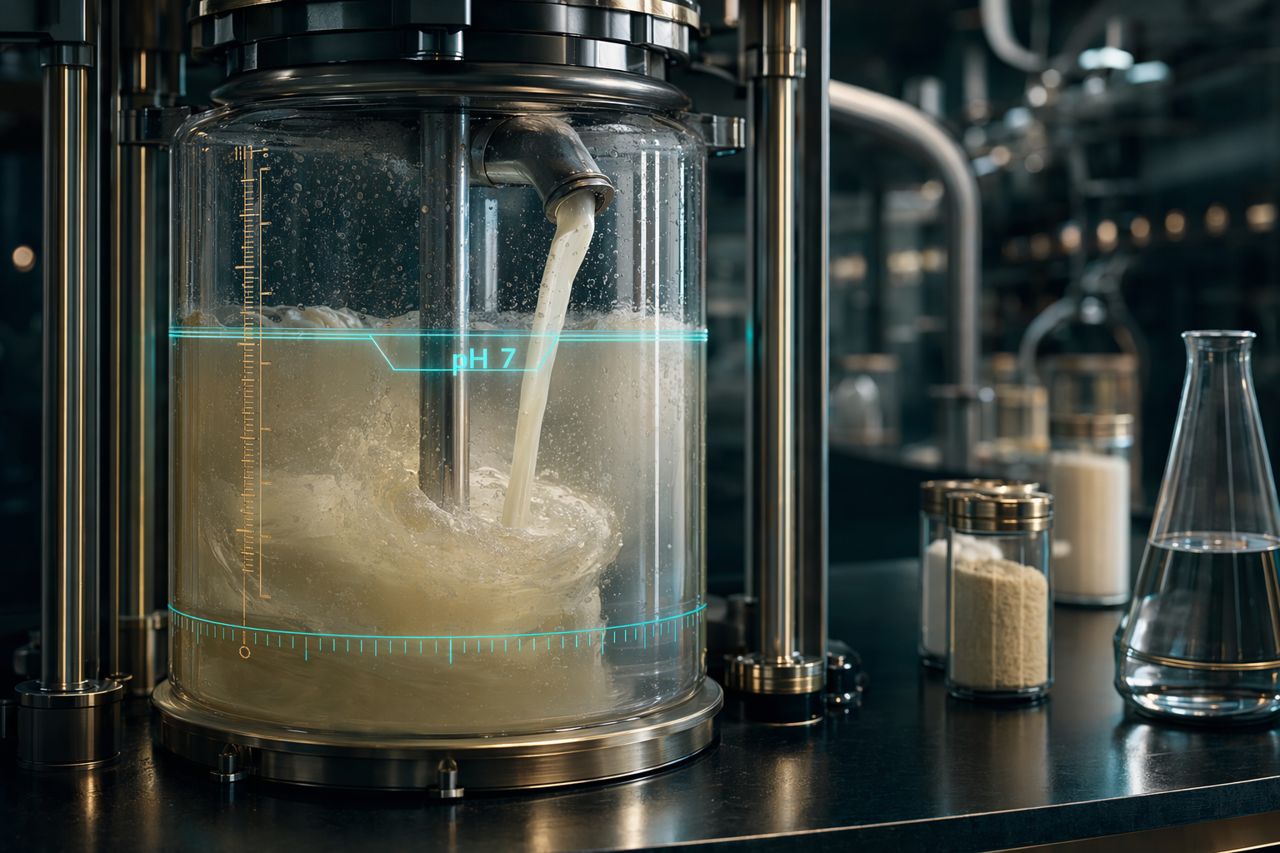
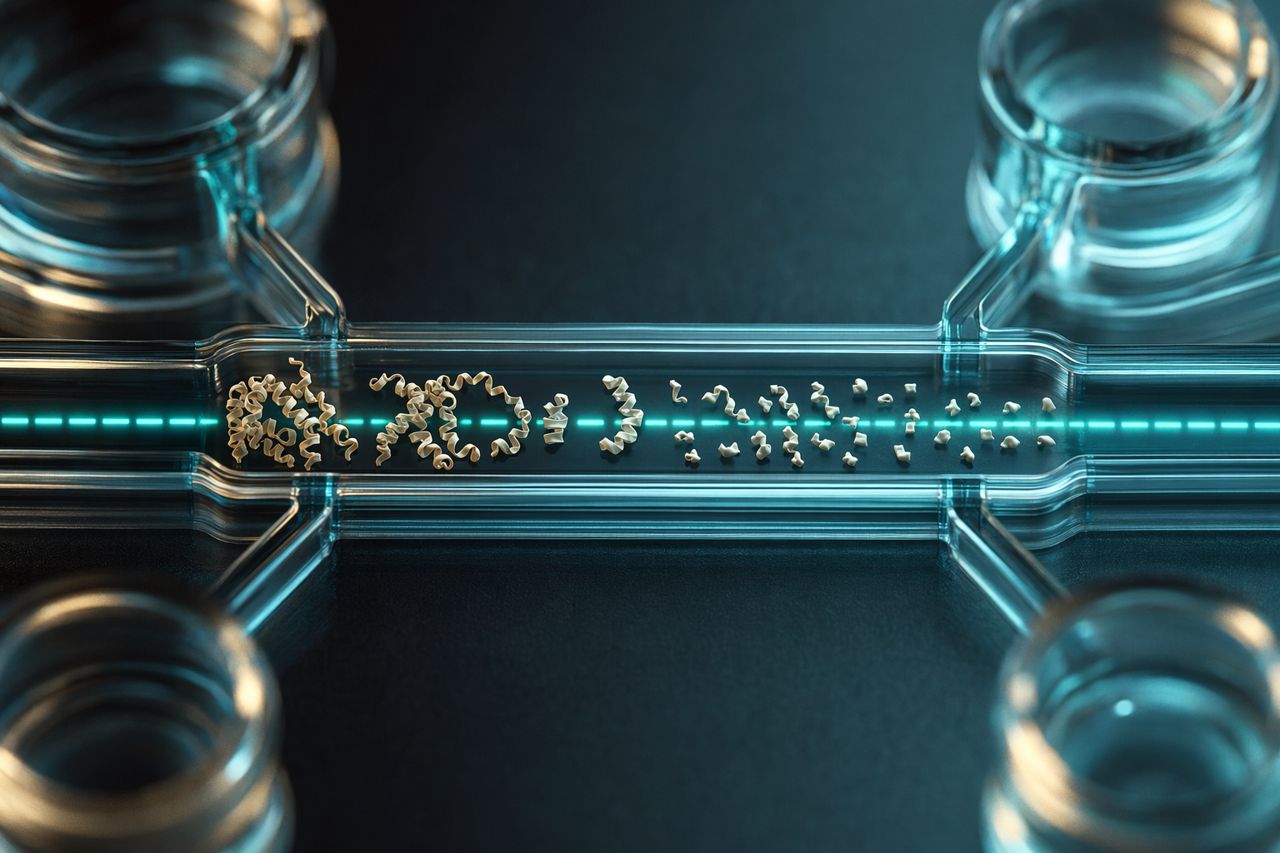
Neutral protease catalyzes the cleavage of peptide bonds in proteins under mild pH conditions. In production terms, that means it can reduce molecular size, modify functionality, and release peptides while helping preserve a controllable process environment.
Common process outcomes include:
- Lower viscosity in protein-rich slurries or extracts
- Improved solubility and dispersibility of protein ingredients
- Controlled release of peptides for flavor, nutrition, or functional performance
- Easier clarification, filtration, or separation in selected streams
- More consistent texture, mouthfeel, or digestibility targets
- Recovery of value from protein by-products and side streams
Where it fits
Food protein hydrolysis
Neutral protease is used to convert casein, whey fractions, soy, pea, wheat, rice, yeast, collagen, gelatin, and mixed protein streams into more manageable hydrolysates. It is well suited to processes where strong pH adjustment would create off-notes, salt load, corrosion concerns, or downstream neutralization burden.
Flavor and savory peptide generation
For flavor systems, neutral protease can support peptide release from protein substrates while maintaining a composed process profile. It may be used as part of a multi-step flavor development strategy when the objective is savory depth, extractability, or controlled hydrolysate character.
Plant protein functionality
Plant proteins often require modification to improve hydration, reduce grittiness, improve suspension stability, or tune viscosity. Neutral protease gives formulators a mild-pH tool for adjusting functionality without over-processing the material.
Feed, pet nutrition, and digestibility support
In feed and pet applications, neutral protease can be used to pre-hydrolyze protein ingredients, support digestibility targets, and improve consistency in protein meals or blended nutritional matrices. Process validation should be aligned with the finished product claim and regulatory position.
Technical protein processing
Neutral proteinase can also assist with proteinaceous residues, fermentation-derived biomass, rendering-adjacent streams, and other industrial processes where controlled protein breakdown improves handling, recovery, or separation.
Why mild-pH control matters
A neutral operating window can reduce the process penalties associated with aggressive acid or caustic treatment. For many manufacturers, this helps protect equipment, simplify pH correction, reduce salt formation, and maintain compatibility with other ingredients or downstream steps.
The value is not only biochemical. It is operational:
| Buyer concern | Neutral protease advantage |
|---|---|
| Process variability | Hydrolysis can be tuned by pH, temperature, contact time, substrate loading, and deactivation point |
| Ingredient compatibility | Mild conditions can reduce unwanted denaturation or excessive functional loss |
| Downstream handling | Controlled peptide formation may improve pumping, clarification, and filtration |
| Sensory management | A controlled endpoint helps reduce over-hydrolysis risk |
| Scale-up | Pilot data can be translated into production checkpoints more reliably than broad enzyme substitution |
Dosage and process guidance
Aequion does not recommend a universal dosage because substrate composition, prior heat treatment, particle size, solids content, pH, temperature, and target degree of hydrolysis all change the required enzyme load.
For initial screening, most teams should run a small matrix rather than a single-point trial:
- Define the substrate and solids level.
- Select a mild pH window close to the intended production condition.
- Test a low, medium, and high enzyme addition level based on enzyme preparation weight relative to protein substrate.
- Hold temperature and agitation constant.
- Pull timed samples to track viscosity, soluble nitrogen, peptide profile, sensory direction, or filtration behavior.
- Stop the reaction at defined endpoints by validated thermal or process deactivation.
- Confirm the best condition at pilot scale before production adoption.
As a practical starting point, many hydrolysis trials begin with a conservative enzyme preparation addition range and adjust after measurable response is observed. Aequion can help narrow that range once we know your substrate, batch size, processing temperature, and target outcome.
Stability and handling
Neutral protease should be stored and handled as a functional processing enzyme. Protect the product from prolonged heat, excess moisture, and contamination. Reseal opened packaging promptly and avoid unnecessary exposure to dust-generating conditions.
For production use, confirm:
- Storage temperature and shelf-life on the current lot documentation
- Packaging size and liner compatibility with your dosing system
- Dust control and enzyme-handling procedures for worker safety
- Compatibility with salts, solvents, surfactants, preservatives, or processing aids in your formula
- Deactivation method and verification approach for the finished process
Quality assurance and supply expectations
Aequion supports B2B enzyme procurement with documentation suitable for evaluation, onboarding, and recurring purchase. Available documentation depends on grade and market use, but may include lot-specific certificate of analysis, specification sheet, safety data sheet, allergen or origin statement, manufacturing declaration, and regulatory support documentation.
For industrial buyers, the correct question is not only “What is the price?” It is also:
- Can the lot-to-lot performance remain consistent?
- Is the enzyme grade appropriate for the intended market?
- Are impurity, microbiological, and heavy metal controls aligned with buyer requirements?
- Is the packaging format compatible with plant handling?
- Can trial support translate lab data into a production-ready operating window?
Selection checklist for procurement and formulation teams
Use this checklist when requesting pricing or evaluating a neutral protease supply option:
- Target substrate: animal, plant, microbial, collagenous, mixed, or by-product stream
- Intended use: food, feed, fermentation, flavor, technical, or other
- Process pH and temperature range
- Batch size and solids level
- Desired output: viscosity reduction, solubility, peptide release, digestibility, flavor, filtration, or texture
- Preferred format: powder, granule, or liquid, subject to availability
- Packaging requirement: small trial pack, drum, carton, or bulk production format
- Documentation required for onboarding
- Regulatory market and destination country
- Expected annual volume and purchase cadence
Why Aequion
Aequion is built for buyers who need enzyme decisions to be technically defensible. We focus on application fit, process control, supply clarity, and practical trial design. Neutral protease is not positioned as a commodity additive; it is a process lever. Used correctly, it helps manufacturers convert variable protein inputs into more predictable commercial outputs.
Get pricing for Neutral Protease
Tell us what you are hydrolyzing and what result you need. Aequion will help identify a suitable neutral protease option, recommend a trial approach, and provide a quote for evaluation or production supply.