Technical Overview
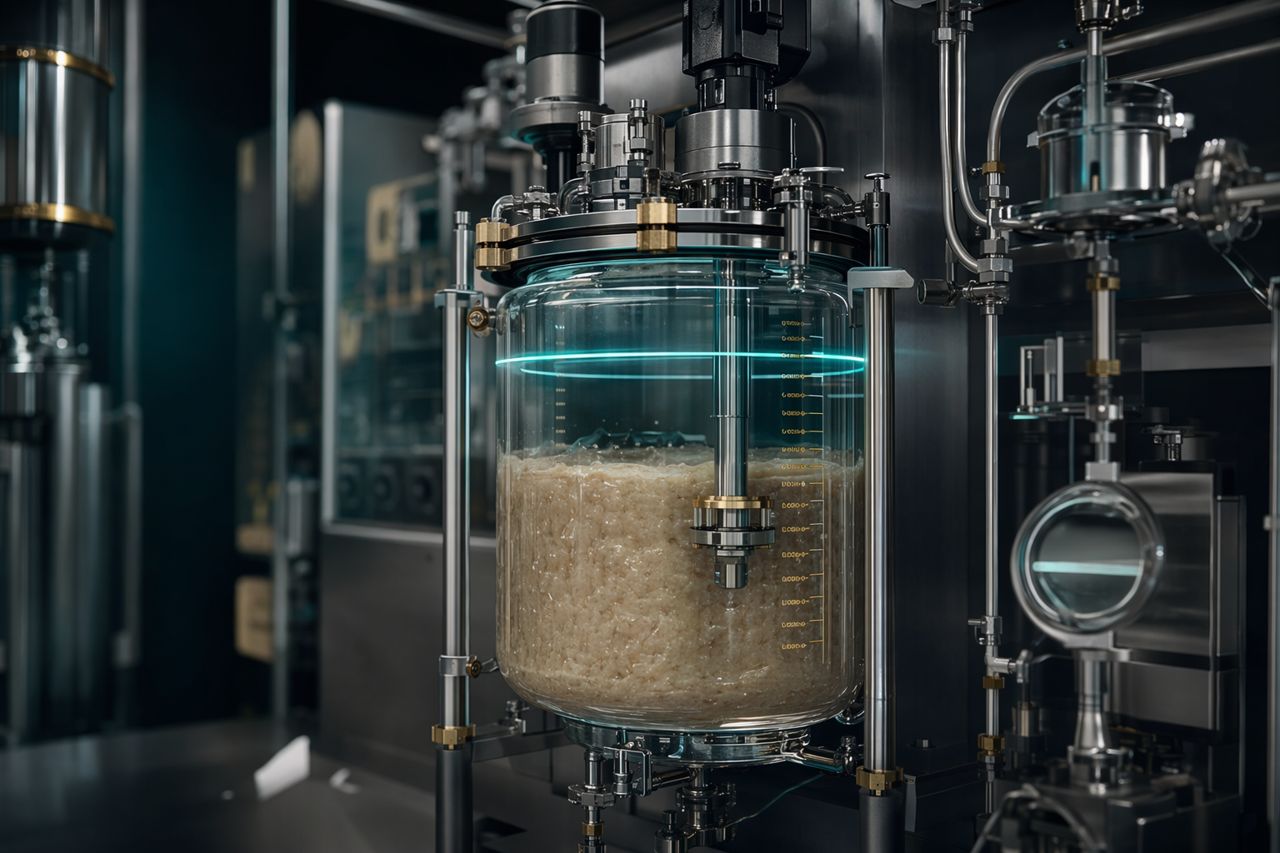
Protein-rich side streams do not have to stay low-value solids, sludge or a disposal cost. We supply neutral protease in bulk to fish, meat, dairy and plant processors and to the renderers and ingredient makers who buy their by-products. Hydrolysis at near-neutral pH turns those streams into soluble peptides, recoverable fractions and slurries that pump, separate and dry.
The value is not simply protein breakdown. It is selective conversion under practical industrial conditions: improved solubility, reduced viscosity, cleaner phase separation, and a hydrolysate profile that can be tuned for downstream use.
Wholesale and bulk supply for by-product processors and ingredient makers. Request a quote with the side stream, the volume, the quantity and the delivery country. Prices and lead times are quoted per order.
What Neutral Protease Does in By-Product Processing
Neutral Protease cleaves internal peptide bonds in proteins under mild to neutral pH conditions. In by-product valorization, that means dense protein matrices can be opened, partially solubilized, and transformed into fractions that are easier to separate, dry, blend, or formulate.
Typical objectives include:
- Increasing soluble protein and peptide recovery
- Reducing sludge volume or difficult suspended solids
- Improving pumpability and heat-transfer behavior
- Supporting downstream centrifugation, filtration, or evaporation
- Producing hydrolysates for feed, fermentation, flavor, nutrition, or technical applications
- Lowering waste burden by converting residual protein into usable material
Suitable Side Streams
Neutral Protease is relevant wherever protein is present but underutilized. Common processing streams include:
- Fish frames, trim, skins, viscera fractions, and stickwater-associated solids
- Meat and poultry trimmings, mechanically separated residues, collagen-rich fractions, and process slurries
- Dairy by-products including protein-rich retentates, fines, and recovery streams
- Plant processing residues from legumes, oilseeds, cereals, and starch operations
- Fermentation and biomass streams where protein disruption or solubilization is required
- Mixed food-processing side streams requiring improved liquefaction before separation
For mixed or variable raw materials, Neutral Protease Solutions recommends process trials using representative material across seasonal and supplier variation.
Why Neutral Conditions Matter
Many by-product streams are already processed near neutral pH, or they contain sensitive components that can be damaged by aggressive acid or alkaline treatment. Neutral Protease allows hydrolysis to be introduced without forcing the whole process into harsh chemical conditions.
This can help preserve:
- Nutritional quality and amino acid integrity
- Color and odor control compared with harsher treatments
- Compatibility with existing tanks, heat exchangers, and separation equipment
- Downstream formulation flexibility
- A cleaner processing narrative for feed, food-adjacent, or fermentation uses
Process Outcomes You Can Target
Soluble Hydrolysate Production
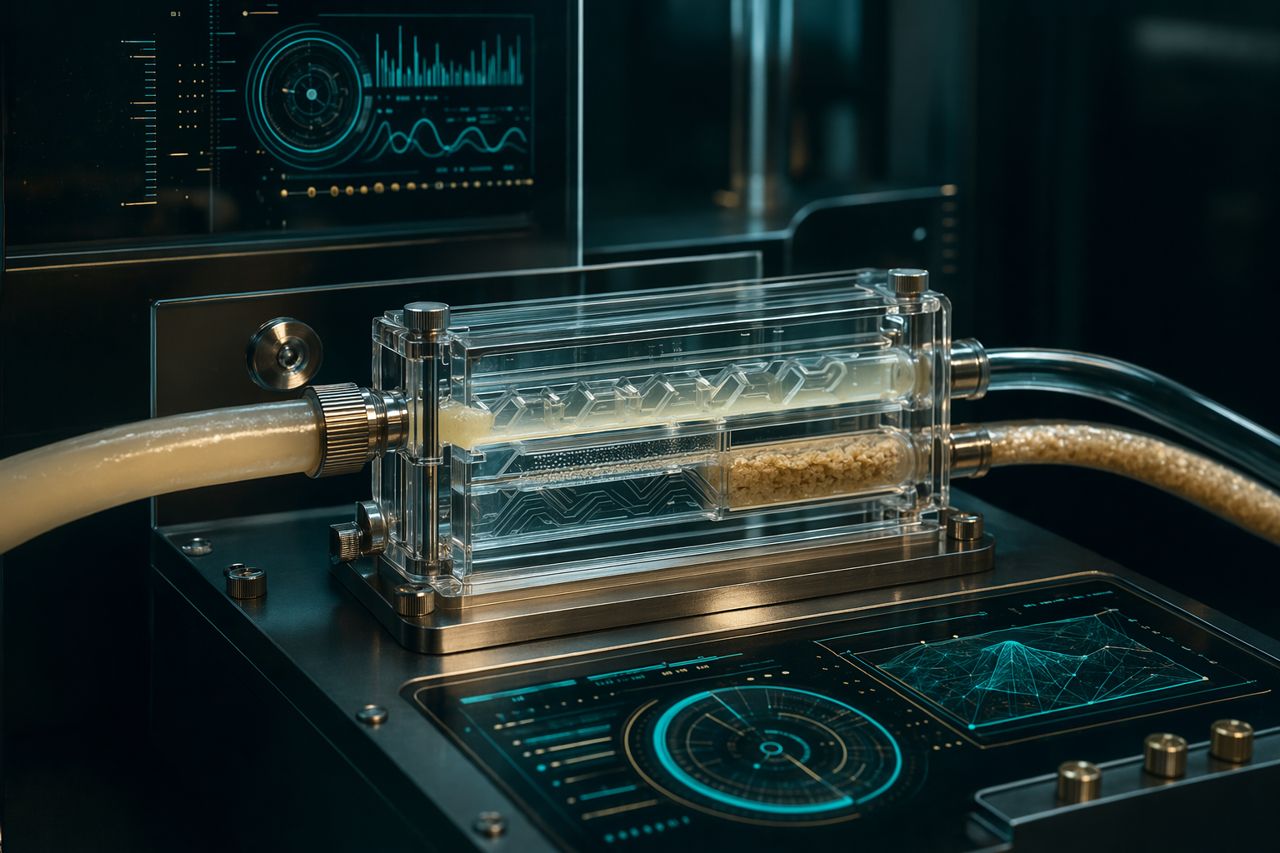
Controlled hydrolysis converts insoluble or tightly bound proteins into soluble peptides. The hydrolysate can then be clarified, concentrated, spray dried, blended, or used as a liquid ingredient depending on the application.
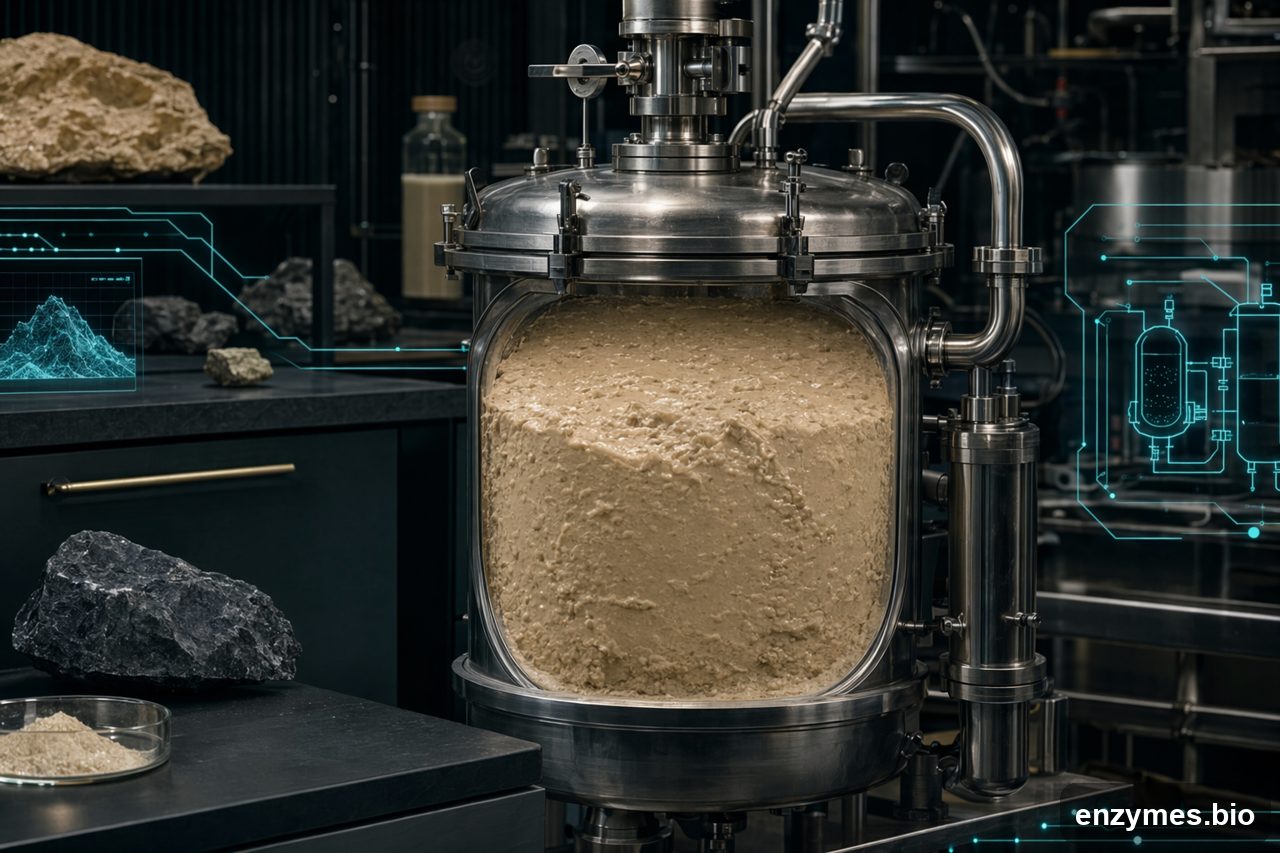
Slurry Liquefaction
Protein-rich slurries often become difficult to pump or mix as solids accumulate. Enzymatic treatment can reduce viscosity and improve flow behavior, making the stream easier to transfer, heat, and separate.
Improved Separation
By opening protein matrices and reducing suspended protein load, Neutral Protease can support centrifugation, decanting, screening, and filtration. The result is often a cleaner split between soluble, lipid, mineral, and insoluble fractions.
More Consistent Downstream Drying
Hydrolyzed streams can behave more predictably during concentration and drying when the degree of breakdown is controlled. This is important for powder flow, hygroscopicity, taste impact, and final specification management.
Operating Guidance
Neutral Protease performs best when the process is designed around substrate access, pH control, temperature control, and residence time. The enzyme is typically introduced after coarse size reduction and before final separation or concentration.
Key parameters to define during development:
- Raw material protein level and solids content
- Fat load, mineral load, and insoluble material
- Target solubility or degree of hydrolysis
- Desired peptide profile and sensory limits
- Available hold time and mixing intensity
- Thermal step for enzyme inactivation
- Downstream clarification, concentration, and drying conditions
A typical development approach is to begin with a conservative enzyme-to-substrate ratio, then adjust stepwise based on solubilization, viscosity reduction, separation behavior, and final hydrolysate quality. Exact dosage is application-specific and should be validated against the buyer’s raw material and process economics.
Integration Points in an Industrial Line
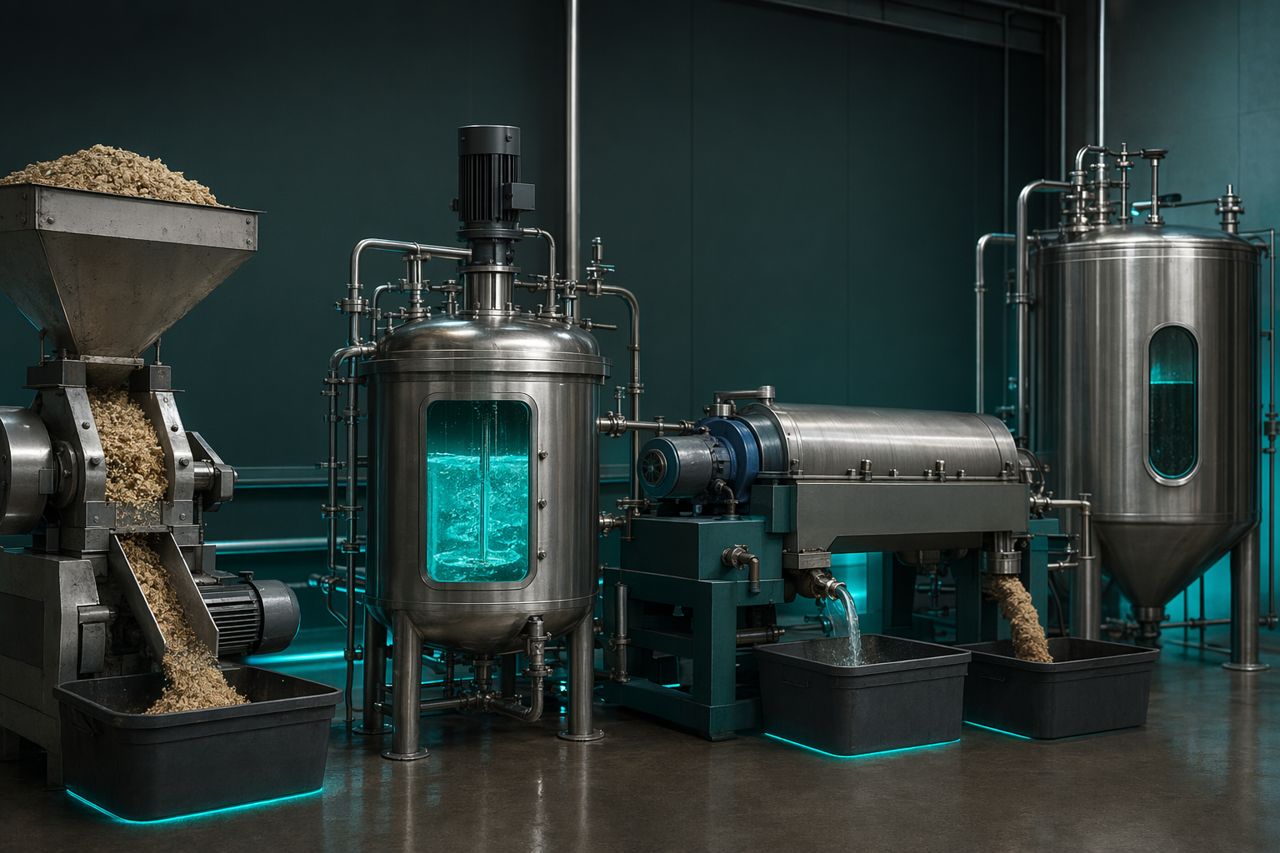
Neutral Protease can be integrated into batch, semi-continuous, or continuous operations. The best point of addition depends on whether the target is liquefaction, peptide generation, separation support, or final hydrolysate manufacture.
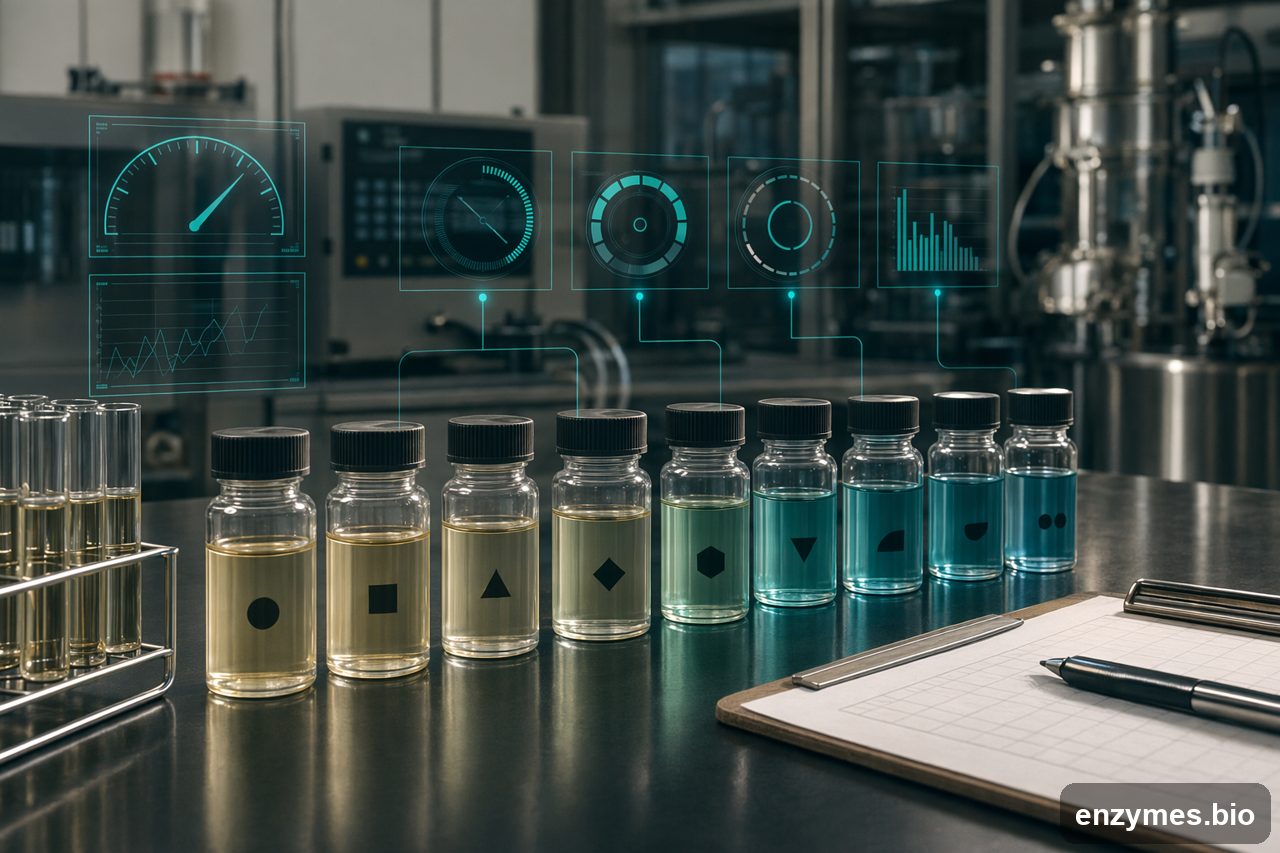
Common integration sequence:
- Receive and standardize the by-product stream
- Grind, mince, slurry, or homogenize to expose protein surfaces
- Adjust pH and temperature into the intended operating window
- Add Neutral Protease with controlled agitation
- Hold until the defined solubility, viscosity, or hydrolysis target is reached
- Inactivate the enzyme if required by the product specification
- Separate, concentrate, dry, blend, or package the resulting fraction
Stream-Specific Considerations
Fish and Marine By-Products
Marine substrates can respond quickly to proteolysis and may require tight control to avoid excessive hydrolysis or sensory intensity. Neutral Protease is useful when the goal is to recover soluble peptide fractions while maintaining manageable flavor and odor characteristics.
Meat and Poultry By-Products
These streams often contain connective tissue, fat, and variable particle size. Enzyme access improves with mechanical preparation and consistent heating. Neutral Protease can support protein recovery, liquefaction, and separation of protein-rich aqueous phases.
Dairy and Whey-Derived Streams
Dairy proteins require careful control of heat history, mineral balance, and downstream taste impact. Neutral Protease may be used to modify solubility, reduce processing challenges, or create peptide-containing fractions for further formulation.
Plant and Agricultural Residues
Plant substrates may contain fiber, starch, oil, phenolics, and anti-nutritional factors. Neutral Protease is often used alongside physical preparation and, where appropriate, other process aids to release protein from complex matrices.
Ordering for production
We supply neutral protease in bulk to by-product processors, renderers, ingredient makers and distributors. Tell us the end use and the destination market, and we tell you which documents are available for that grade. Pack sizes, prices and lead times are quoted per order.
What to Measure in Trials
Effective trials should connect enzyme performance to commercial outcomes. Recommended measurements include:
- Soluble nitrogen or soluble protein increase
- Viscosity change over time
- Centrifuge or filtration yield
- Fat, ash, and insoluble partitioning
- Peptide distribution by the buyer’s preferred analytical method
- Sensory impact where relevant
- Drying behavior and powder handling
- Final product stability during storage
Avoid judging performance on hydrolysis alone. The best process window is the one that balances conversion, yield, sensory control, equipment fit, and ingredient value.
Reselling neutral protease?
Distributors and resellers use the same form. Tell us your market, the pack size your customers buy and your expected volume per month.
Request a Quote or Get Pricing
Tell us about your raw material and what you want to sell from it. We reply with the grade that fits and a price for your quantity.
Send us:
- the side stream (fish, meat, poultry, dairy or plant) and its solids level
- the target product: soluble hydrolysate, protein meal, slurry or separated fraction
- the quantity per order or per month
- the delivery country
Prices, pack sizes and lead times are quoted per order.