Technical Overview
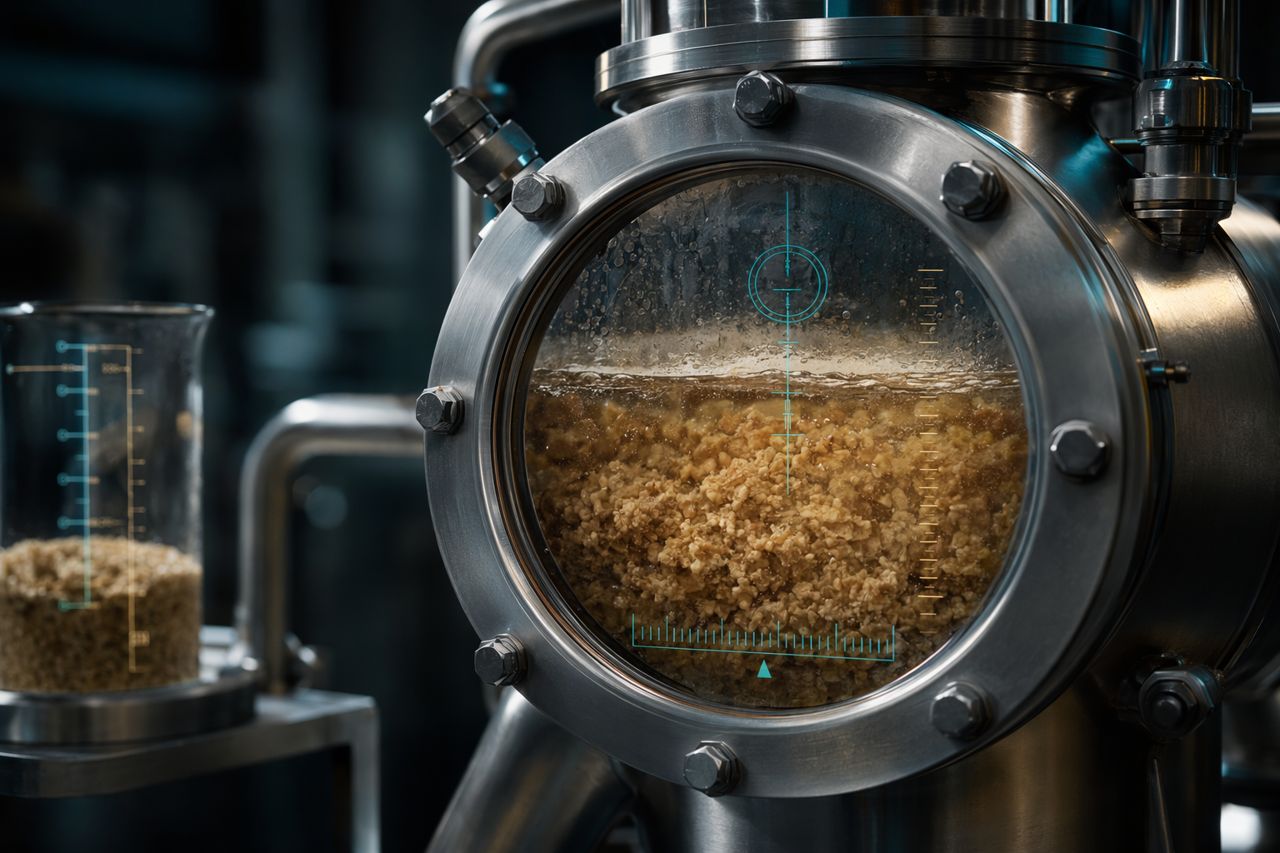
We supply neutral protease in bulk to feed mills, pet-food makers, protein meal processors and feed-additive distributors. Protein meals and by-products carry value, but dense structure, poor solubility, variable raw material and bitter peptides hold it back. Controlled pre-hydrolysis of animal meals, plant proteins and by-products at near-neutral pH addresses that.
Used correctly, Neutral Protease helps processors move from crude protein content toward usable protein quality — with tighter control over hydrolysis depth, viscosity, slurry handling, and finished ingredient consistency.

Wholesale and bulk supply for feed and pet-food makers and resellers. Request a quote with the protein ingredient, the quantity and the delivery country. Prices and lead times are quoted per order.
Why neutral protease fits feed and pet food processing
Neutral Protease operates best around neutral processing conditions, making it useful when formulators want enzymatic protein breakdown without moving the batch into strongly acidic or alkaline chemistry. That matters in feed and pet food ingredient operations where downstream drying, blending, extrusion, palatant development, or premix compatibility may be sensitive to pH shifts.
The enzyme selectively cleaves protein chains into shorter peptides and soluble nitrogen fractions. Depending on substrate and process design, this can support:
- Improved accessibility of protein-rich raw materials
- Better slurry flow and more predictable pumpability
- Higher soluble peptide generation for hydrolysate-style ingredients
- Reduced harsh chemical treatment requirements
- More consistent batch-to-batch protein conversion
- Digestibility-focused formulation work for feed, aquaculture, and companion animal products
Typical substrates
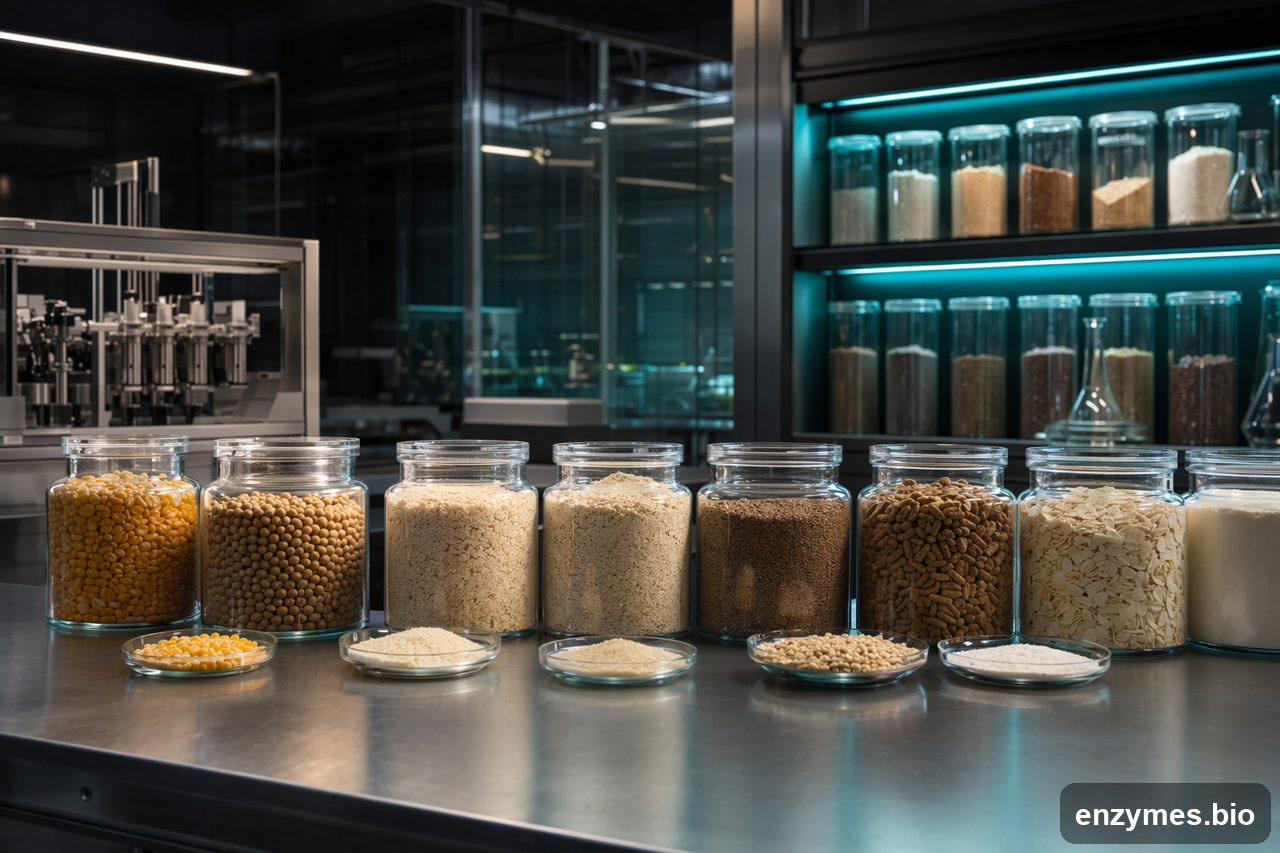
Neutral protease suits a wide range of feed ingredient systems, including:
- Poultry meal and poultry by-product streams
- Fish meal, fish solubles, and marine protein fractions
- Meat and bone meal process streams where controlled hydrolysis is desired
- Plant proteins such as soy, pea, and oilseed meals
- Yeast and microbial protein materials
- Specialty pet food hydrolysates and palatant bases
- Rendered or recovered protein streams after suitable pretreatment
For highly structural proteins such as keratin-rich materials, performance depends heavily on pretreatment, particle size, moisture access, and whether a complementary enzyme system is required.
Processing objectives
Digestibility-oriented hydrolysis
Neutral Protease can be used before drying, blending, pelleting, or extrusion to reduce large protein structures into smaller peptide fractions. The objective is not simply to “break down protein,” but to create a repeatable hydrolysis window that supports nutritional accessibility while avoiding over-hydrolysis.
Solubility and slurry handling
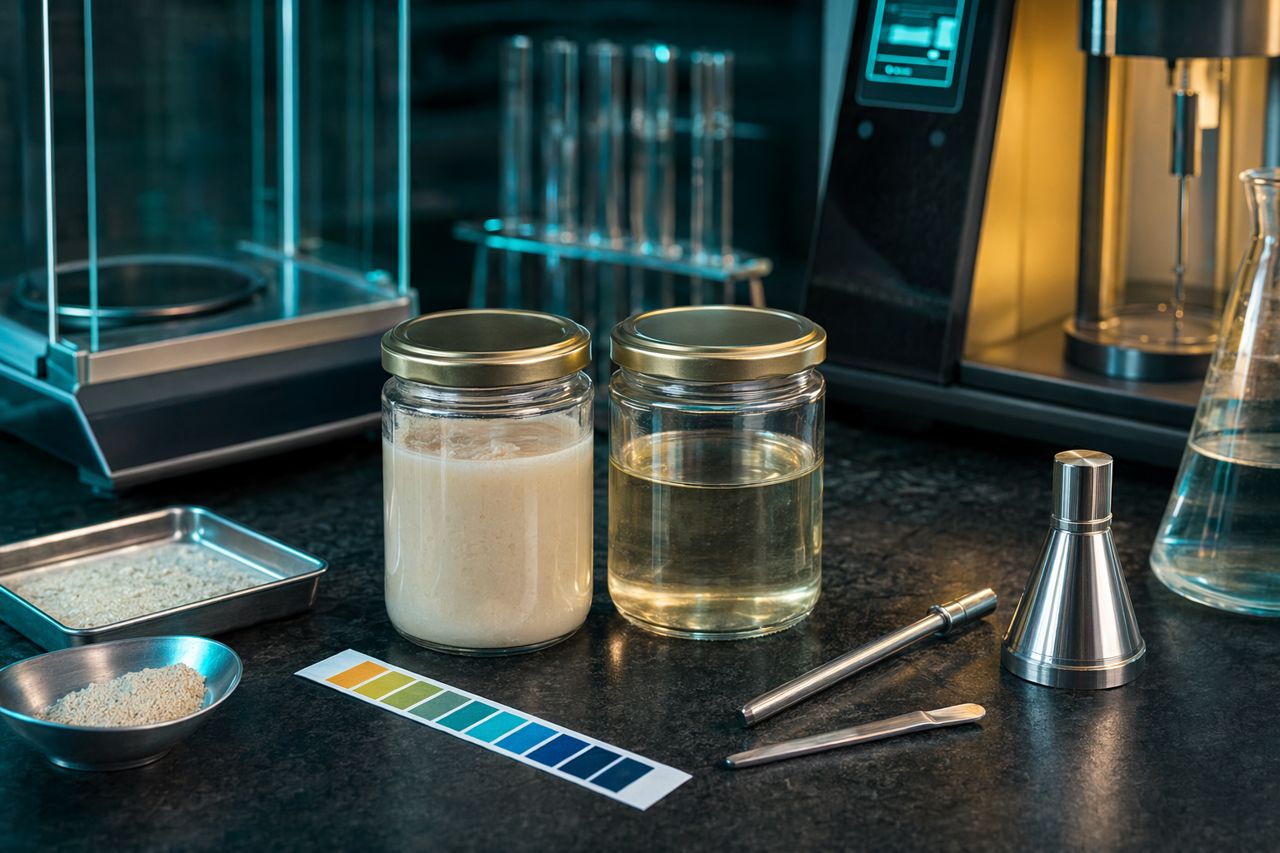
Partial hydrolysis may improve the behavior of protein slurries by reducing structure-related viscosity and improving uniformity. This can be valuable in cooked protein streams, liquid palatant bases, concentrated hydrolysates, and pump-fed ingredient processes.
Peptide profile control
In pet food and aquafeed ingredients, peptide profile can influence nutritional positioning, palatability work, and downstream drying characteristics. Neutral Protease provides a controlled route to peptide generation when process time, pH, heat history, and substrate loading are managed together.
Process integration guidance
Neutral Protease is typically evaluated in a hydrated slurry where the enzyme can contact accessible protein surfaces. Good results depend on mixing quality, raw material preparation, and a defined stop point.
Key process variables include:
- Substrate preparation: finer, more uniform particle size generally improves enzyme contact.
- Hydration: insufficient water limits protein access and can cause uneven hydrolysis.
- pH control: maintain a neutral-range process window; avoid abrupt pH swings during active hydrolysis.
- Temperature discipline: use moderate enzyme-compatible heat during reaction, then apply a clear inactivation step if residual proteolysis is not wanted.
- Reaction time: longer exposure increases hydrolysis depth but may also increase bitterness, excessive solubility, or loss of target texture.
- Mixing: dead zones and foam can create uneven conversion and inconsistent downstream performance.
Dosage development without guesswork
Because feed substrates vary widely in protein quality, fat level, ash content, heat damage, particle size, and prior processing history, dosage should be established through pilot trials rather than copied from a generic table.
A practical screening model is:
- Define the commercial target: digestibility support, solubility, viscosity reduction, palatant base preparation, or peptide enrichment.
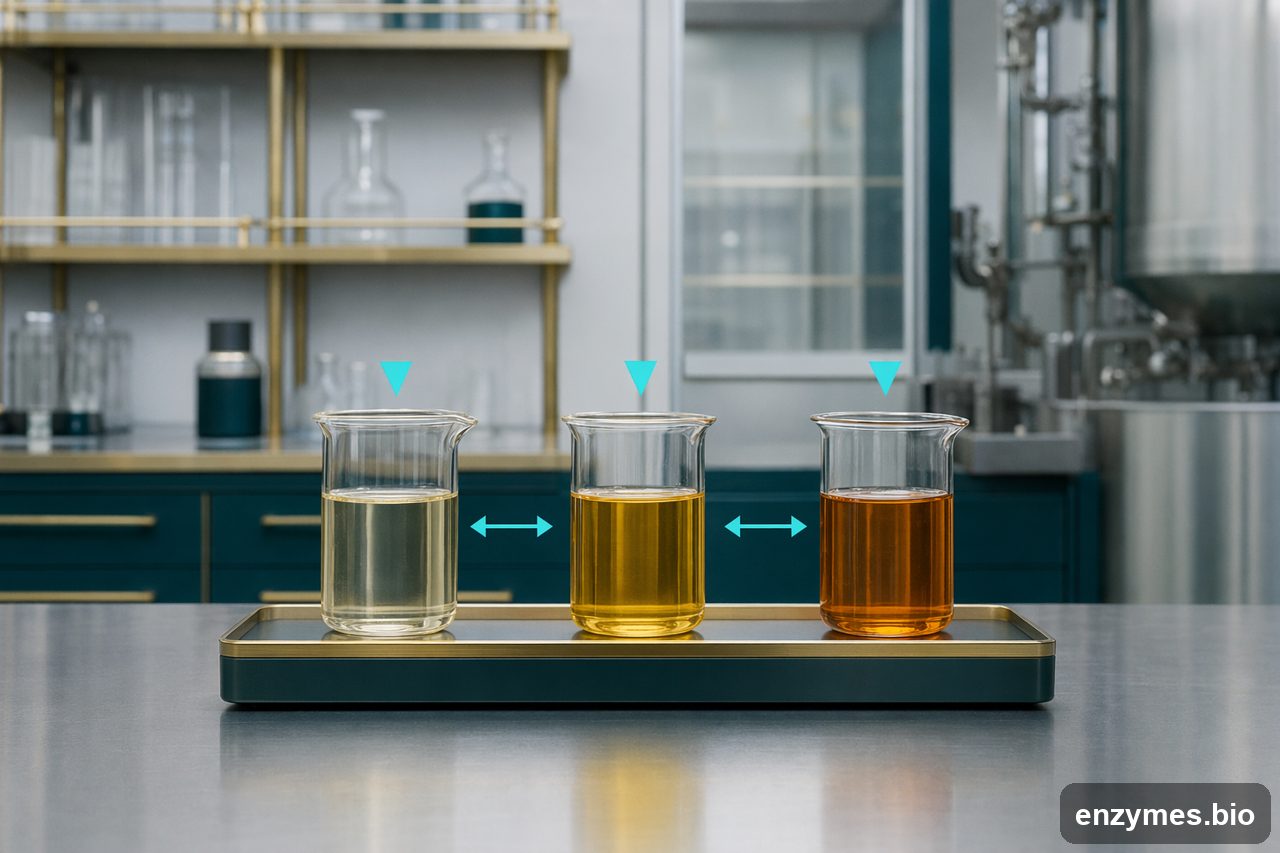
- Run a low, medium, and high enzyme addition ladder using the same substrate lot.
- Hold pH, hydration, temperature, mixing, and time constant during the first screen.
- Select the lowest addition level that reaches the functional target.
- Confirm with at least one additional raw material lot before scale-up.
- Validate the inactivation or downstream thermal step so the finished ingredient remains stable.
Neutral Protease Solutions can support procurement and technical teams with trial planning, sample selection, and scale-up discussion based on the specific substrate and finished ingredient objective.
Ordering for production
We supply neutral protease in bulk to feed mills, pet-food makers, protein meal processors and distributors. Tell us the end use and the destination market, and we tell you which documents are available for that grade. Pack sizes, prices and lead times are quoted per order.
Where it fits in the plant
Neutral Protease can be integrated into several process points, depending on the product design:
- Pre-hydrolysis before spray drying or drum drying
- Liquid hydrolysate preparation before concentration
- Protein slurry conditioning before blending
- Pet food palatant base processing
- Specialty aquafeed ingredient development
- Digestibility-focused treatment of selected raw materials
For pelleted or extruded feeds, the enzyme is commonly used upstream as a processing aid rather than relying on survival through high-heat forming steps.
Scale-up considerations
Moving from bench to plant scale requires attention to mass transfer and thermal uniformity. A result achieved in a small beaker can fail in production if the plant tank has poor turnover, uneven heating, or inconsistent substrate wet-out.
Before commercial release, confirm:
- The enzyme addition point allows rapid dispersion
- The slurry stays within the intended pH window
- Hydrolysis is stopped at a controlled point
- Downstream drying or heat treatment is validated
- Finished ingredient moisture, odor, color, and flow remain acceptable
- The peptide profile or functional marker aligns with formulation expectations
Request a quote
We reply with the grade that fits, a trial approach and a price for your quantity.
Send us:
- the substrate and your target outcome
- the process sequence and where the enzyme goes in
- the quantity per order or per month
- the delivery country
Prices, pack sizes and lead times are quoted per order.