Technical Overview
Neutral Protease for Fermentation Nutrient Preparation
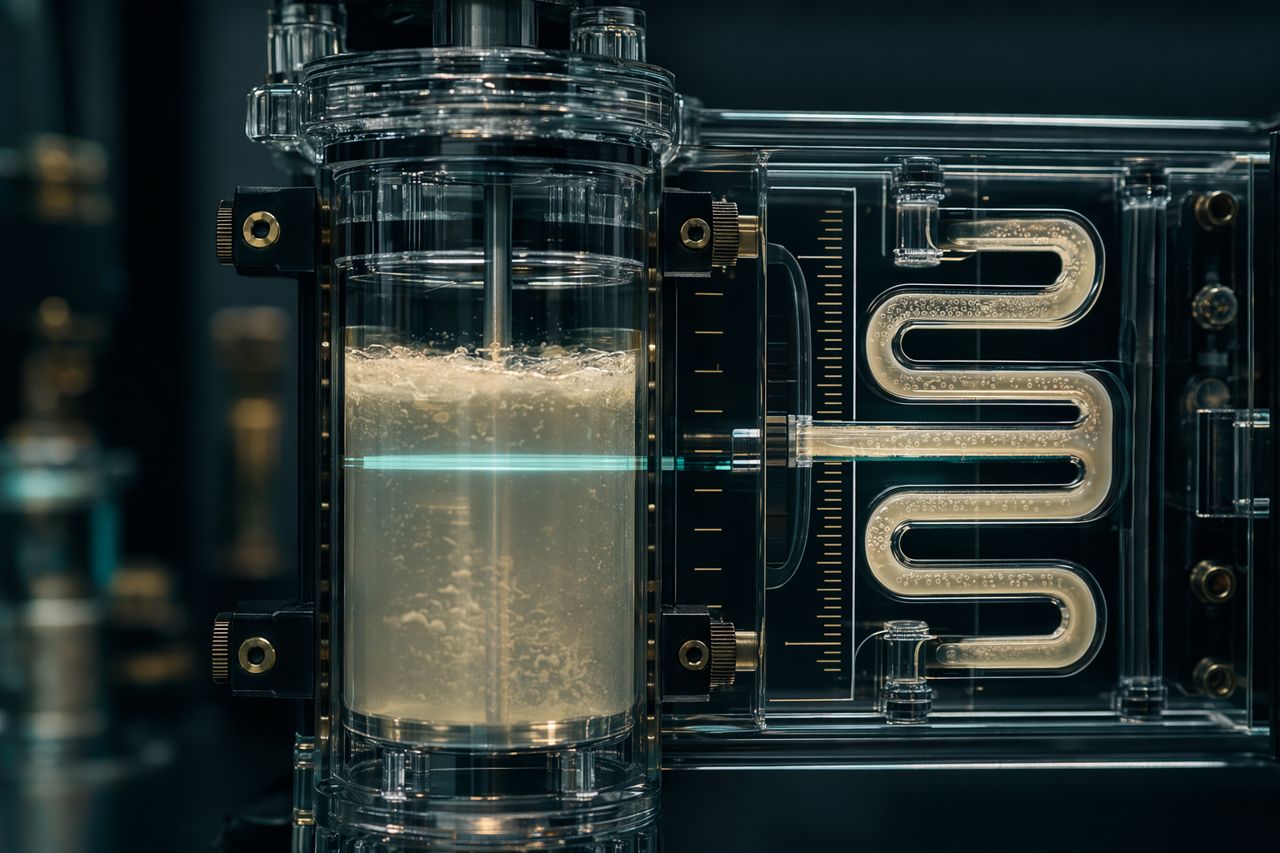
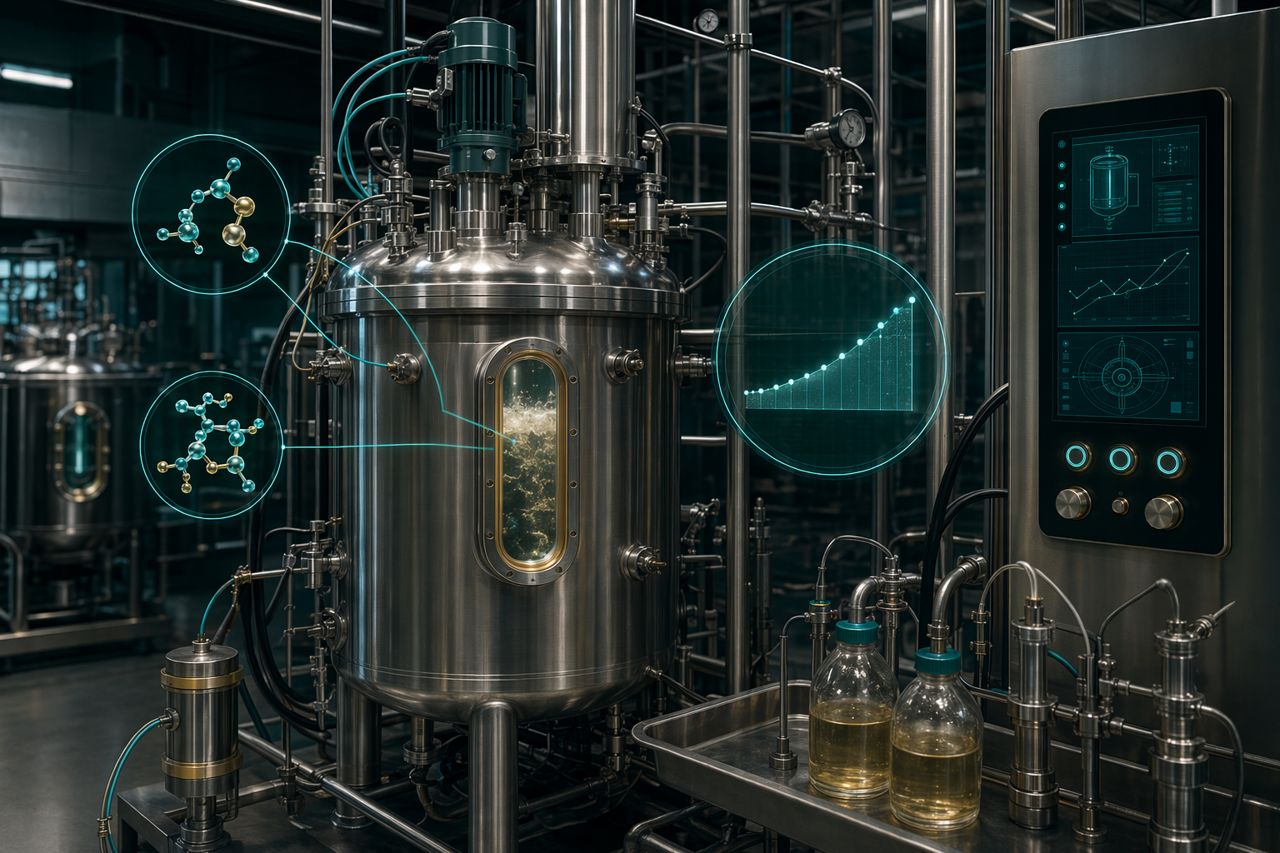
Fermentation performance depends on nitrogen quality, not just nitrogen quantity. We supply neutral protease in bulk to makers of fermentation media, yeast and starter-culture producers, and the distributors who serve them. It turns protein substrates into soluble peptides and amino nitrogen for microbial growth, yeast propagation and industrial media.
Operating near neutral pH, Neutral Protease is well suited to nutrient-preparation workflows where formulators need protein conversion without the harshness of strongly acidic or alkaline processing. The result is a cleaner route to digestible nitrogen, improved substrate utilization, and more predictable media behavior.
Wholesale and bulk supply for fermentation media makers and resellers. Request a quote with the substrate, the quantity and the delivery country. Prices and lead times are quoted per order.
What it does in nutrient preparation
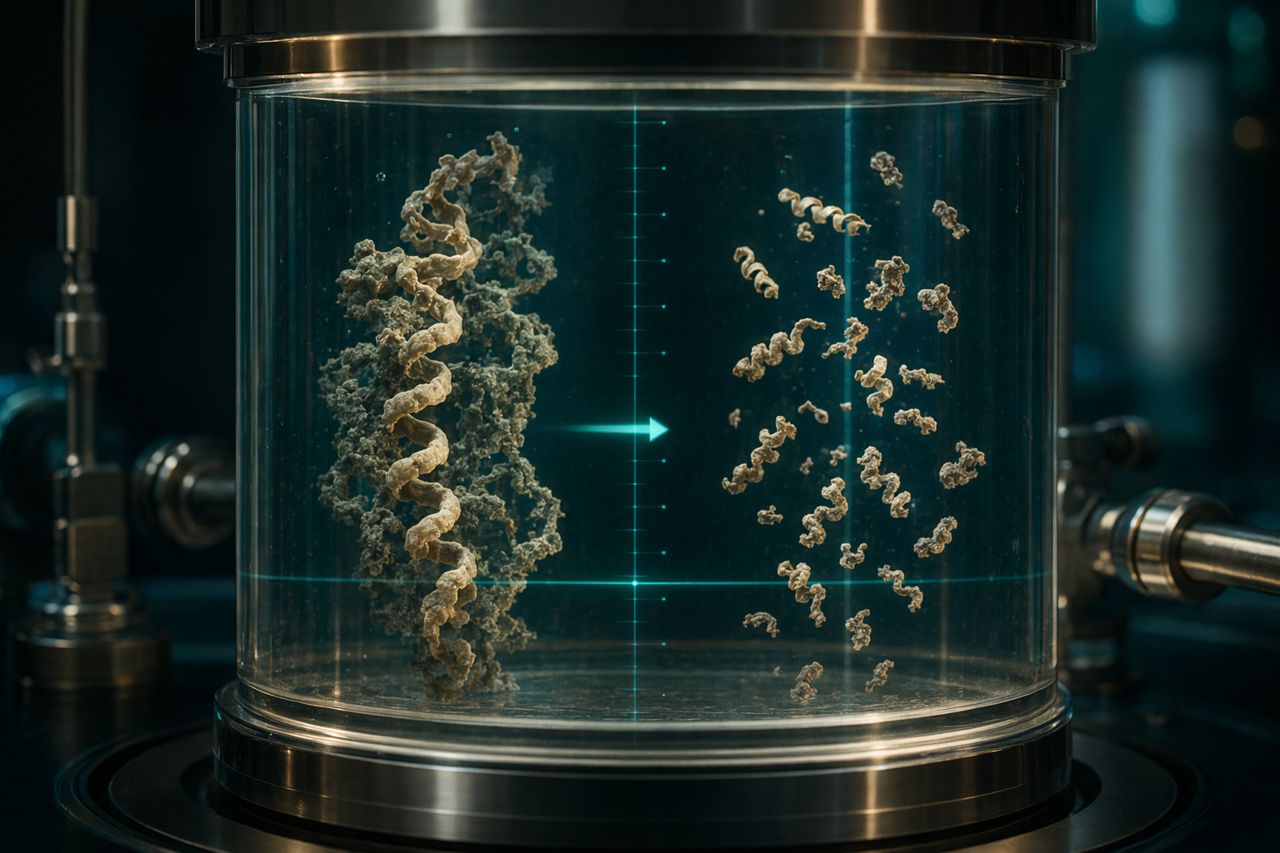
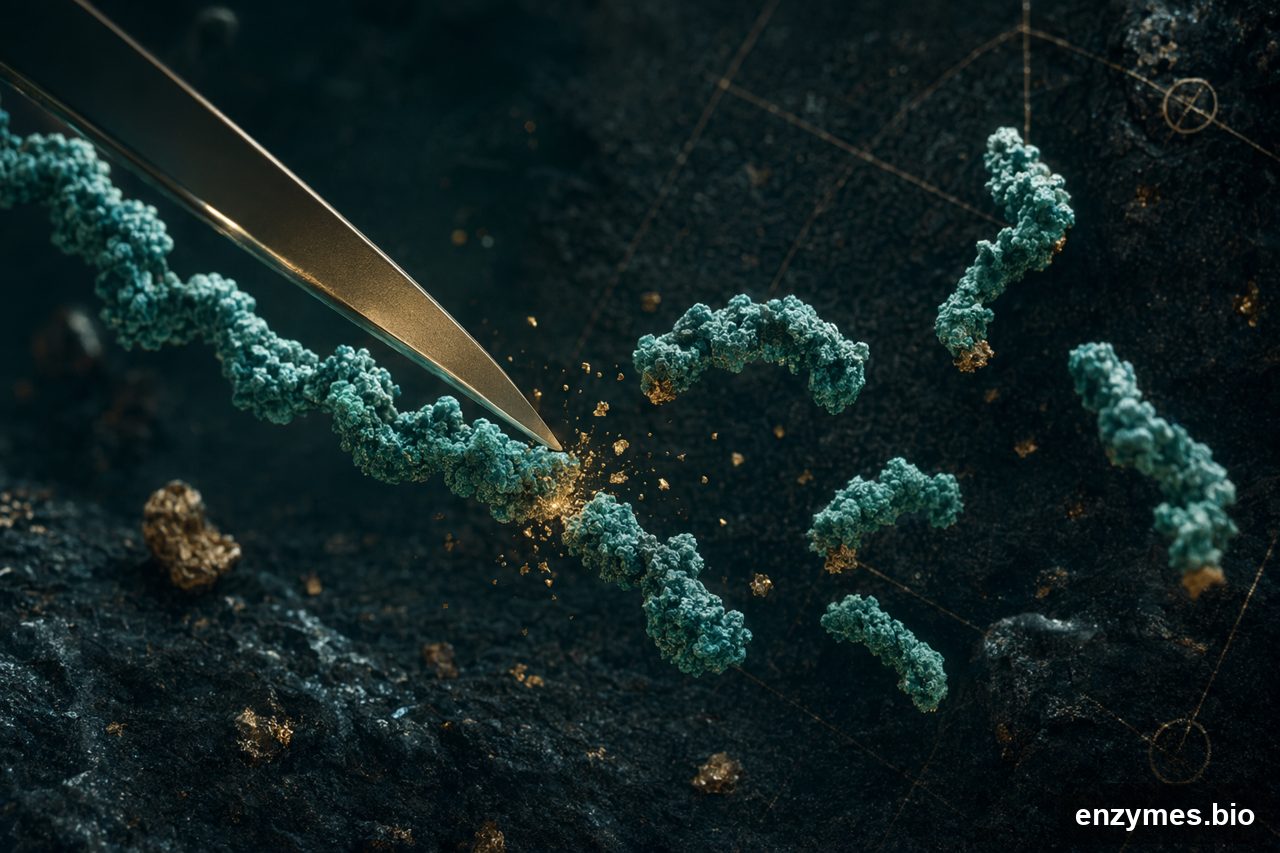
Neutral Protease selectively cleaves peptide bonds in protein-rich raw materials, converting insoluble or high-molecular-weight protein into smaller peptide segments and soluble nitrogen fractions.
Typical objectives include:
- Increasing soluble peptide content in fermentation nutrients
- Improving amino nitrogen availability for microbial and yeast metabolism
- Reducing undissolved protein load before sterilization or media blending
- Supporting more consistent fermentation start-up and propagation phases
- Preparing plant, microbial, dairy, or mixed protein hydrolysates for media use
- Improving handling of protein substrates that otherwise hydrate slowly or inconsistently
Application fit
Neutral protease is used where a balanced hydrolysis profile is preferred over aggressive degradation.
Common substrate categories include:
- Soy, wheat, pea, rice, and other plant protein materials
- Yeast biomass and microbial protein sources
- Casein, whey, gelatin, and other animal-derived proteins where permitted
- Protein-rich process side streams requiring controlled solubilization
- Blended nitrogen systems designed for defined or semi-defined fermentation media
Process window and control points
Neutral Protease is designed for operation around neutral conditions, making it practical for many fermentation-support workflows. Exact process settings should be validated against the substrate, target nitrogen profile, downstream heat step, and microbial requirements.
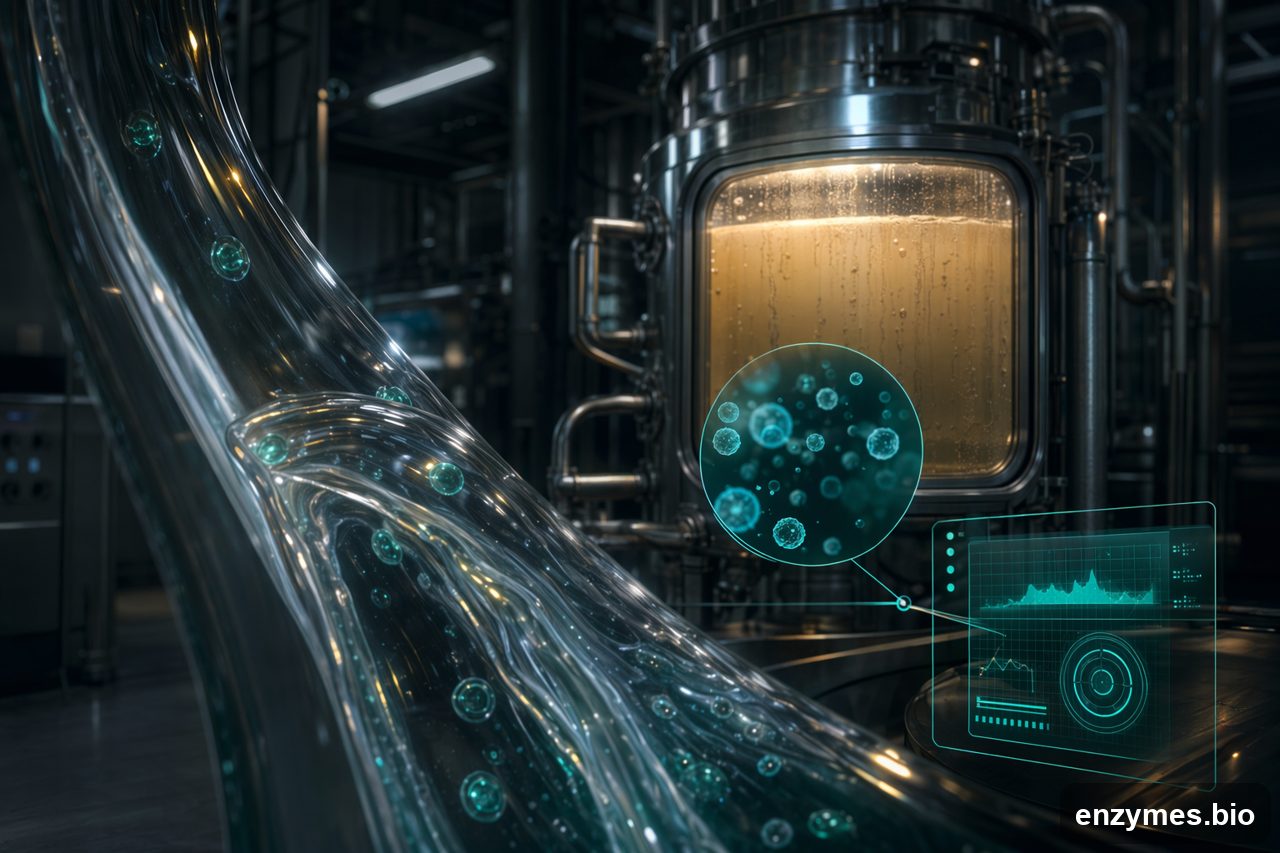
Key control points:
- pH: Maintain a neutral to mildly neutral process environment for stable and efficient hydrolysis.
- Temperature: Select a temperature that balances hydrolysis rate, substrate integrity, and microbial-control requirements.
- Time: Extend or shorten holding time to tune peptide size distribution and soluble nitrogen release.
- Solids loading: Higher protein solids can improve productivity but may require stronger agitation and viscosity management.
- Enzyme dose: Start with a low-to-moderate inclusion level based on protein substrate mass, then optimize by soluble nitrogen, viscosity, filtration behavior, and fermentation response.
- Inactivation: Apply a validated heat or process step when hydrolysis has reached the desired endpoint.
Practical dosage guidance
For new substrates, begin with bench screening rather than assuming a universal dose. A practical development sequence is:
- Prepare the protein slurry at the intended solids level.
- Adjust pH into the target neutral range.
- Add Neutral Protease at two to three graded inclusion levels by substrate mass.
- Track soluble nitrogen release, viscosity change, clarification behavior, sensory constraints where relevant, and downstream fermentation response.
- Select the lowest dose and shortest process time that achieves the nutrient target.
- Confirm performance at pilot scale before locking the batch protocol.
This approach gives procurement, process engineering, and formulation teams a defensible basis for specification without over-processing valuable protein inputs.
Why neutral hydrolysis matters
Aggressive hydrolysis can create inconsistent peptide profiles, excess bitterness in food-adjacent systems, color development, or downstream clarification issues. Under controlled neutral conditions, formulators can pursue a more balanced hydrolysate: enough conversion to improve nutrient availability, but not so much that the substrate becomes difficult to standardize.
For fermentation teams, the practical value is control. A well-managed neutral protease step can help reduce variability in lag phase, nutrient uptake, broth behavior, and batch-to-batch media performance.
Formulation and compatibility notes
Neutral Protease can be integrated into liquid or slurry-based nutrient preparation before sterilization, concentration, drying, or blending, depending on the production route.
Review compatibility when the formula contains:
- High salt concentrations
- Chelating agents or strong inhibitors
- Preservatives or antimicrobial components
- Reducing sugars and heat steps that may influence color development
- Extreme pH adjustment before or after hydrolysis
- Minerals that alter protein hydration or precipitation behavior
If the nutrient stream will be dried, concentrated, or sterilized after hydrolysis, validate how the post-treatment affects solubility, color, odor, and fermentation response.
Ordering for production
We supply neutral protease in bulk to fermentation media makers, yeast and culture producers, and distributors. Tell us the end use and the destination market, and we tell you which documents are available for that grade. Pack sizes, prices and lead times are quoted per order.
Procurement considerations
When requesting a quotation, include the following if available:
- Target substrate and protein content
- Liquid, powder, or slurry process format
- Intended pH and temperature range
- Desired hydrolysis time
- Target soluble nitrogen or amino nitrogen profile
- Downstream heat, filtration, drying, or sterilization step
- Packaging size and annual volume estimate
- Any food, feed, technical, or industrial-use classification requirements
This lets us match grade, pack size and terms to your actual production.
Request a quote
We reply with the grade that fits and a price for your quantity.
Send us:
- the protein substrate and the organism you feed
- the media volume per batch
- the quantity per order or per month
- the delivery country
Prices, pack sizes and lead times are quoted per order.
Distributors and resellers: use the same form. Tell us your market, the pack size your customers buy and your expected volume per month.