Technical Overview
We supply neutral protease in bulk to tanneries, leather-chemical formulators and their distributors. In bating, after liming and deliming, it removes and modifies non-structural proteins at near-neutral pH, for cleaner grain, softer handle, better drape and more even dyeing and fatliquoring.
For tanneries, the value is not aggressive digestion. The value is controlled protein adjustment: enough proteolysis to open the fiber structure and reduce unwanted residues, without compromising collagen strength or grain integrity.

Wholesale and bulk supply for tanneries and leather-chemical suppliers. Request a quote with the article type, your monthly use, the quantity and the delivery country. Prices and lead times are quoted per order.
Where neutral protease fits in the beamhouse
Leather bating typically follows deliming and precedes pickling, tanning, or additional wet-end operations. At this stage, the hide or skin still contains residual interfibrillary proteins, lime-related residues, and components that can affect handle, fullness, grain smoothness, and chemical penetration.
Neutral Protease supports this step by:
- modifying non-collagenous proteins under moderated pH conditions
- promoting softness and pliability without harsh chemical overprocessing
- helping reduce scud and residual grain impurities when paired with proper mechanical action
- improving uniformity before tanning, dyeing, and fatliquoring
- supporting cleaner process control compared with traditional high-alkaline bating systems
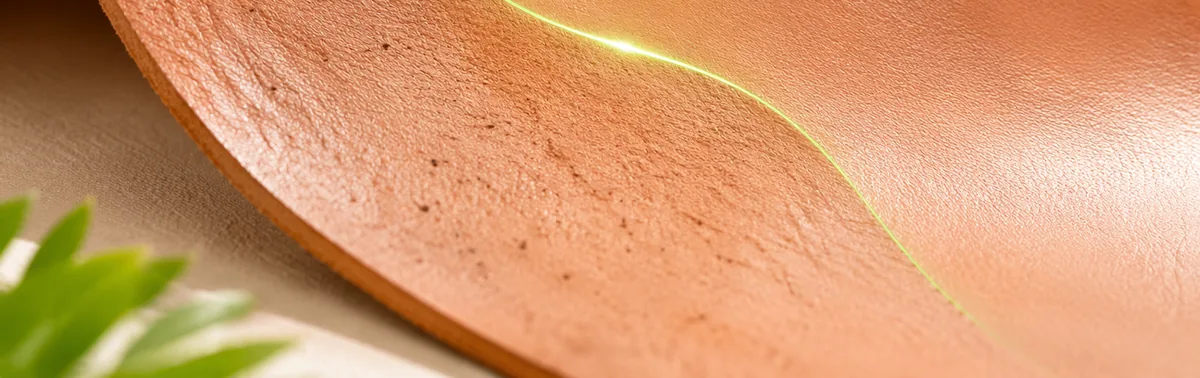
Application benefits
Softer handle with controlled opening
Neutral protease helps loosen non-structural protein material that restricts fiber movement. This can improve softness, drape, and roundness, especially where the process goal is a balanced article rather than excessive looseness.
Cleaner grain and improved wet-end response
By reducing proteinaceous residues, the enzyme can support cleaner grain appearance and more consistent penetration of tanning agents, dyes, and fatliquors. This is especially useful for articles where grain smoothness and shade uniformity matter.
Milder process conditions
Because the enzyme performs near neutral to mildly alkaline conditions, it can be integrated into controlled bating systems without relying solely on aggressive alkalinity. This can help reduce variation between drums, lots, and raw material types.
Better reproducibility for production teams
Neutral protease allows the bating step to be managed through measurable process variables: pH, temperature, time, float, mechanical action, and dosage. When those variables are kept stable, the leather response becomes easier to repeat.
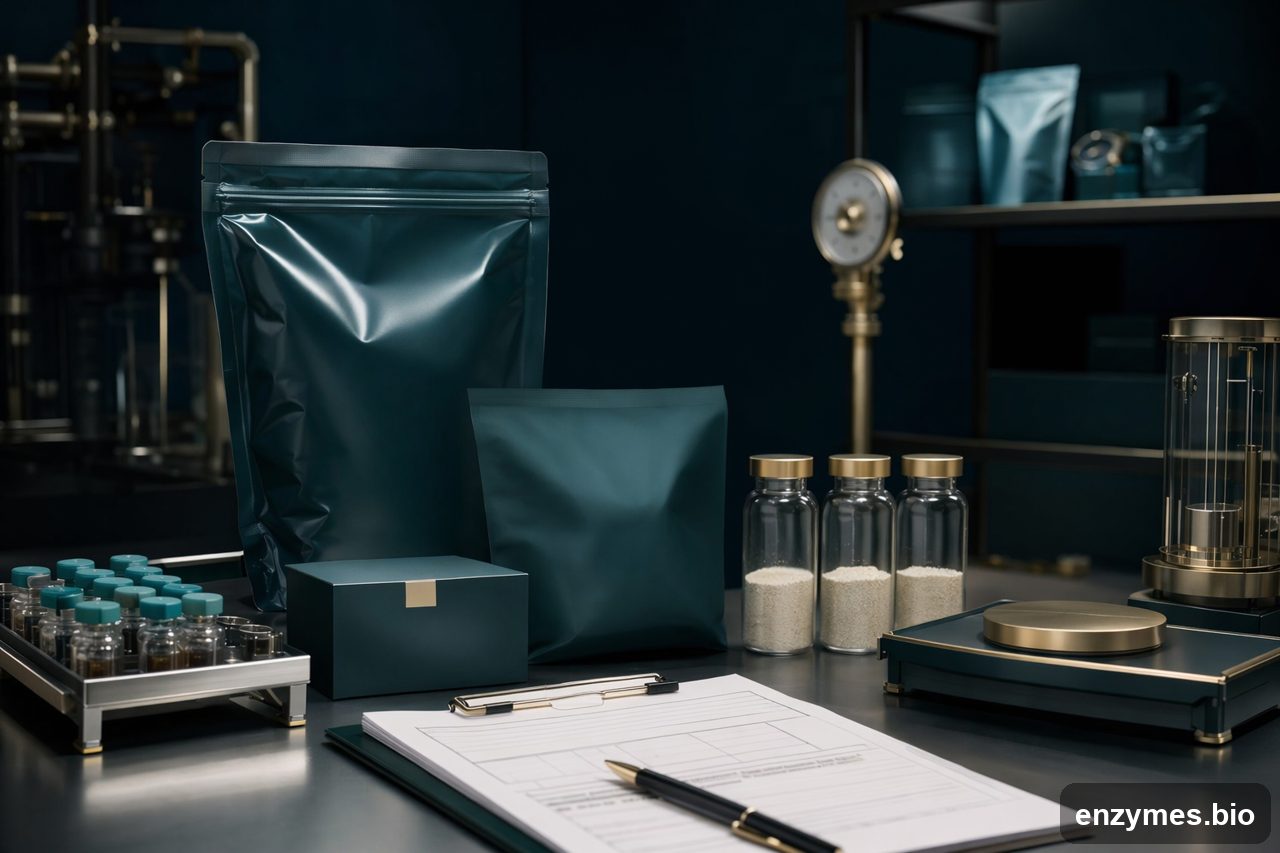
Recommended process window
Actual conditions should be validated against hide type, article target, drum loading, float ratio, and upstream liming strength. As a practical starting point, formulation teams commonly evaluate the following ranges:
| Process variable | Practical guidance |
|---|---|
| Stage | After deliming, before pickling or tanning |
| pH | Typically near neutral to mildly alkaline; avoid extreme acidity or strong alkalinity |
| Temperature | Warm beamhouse conditions are preferred; avoid overheating the float |
| Time | Adjust to article target and raw material response |
| Dosage | Start with a low-to-moderate percentage on pelt or shaved weight and optimize by trial |
| Mechanical action | Use enough drum action for contact and uniformity, but avoid unnecessary abrasion |
| Stop point | Confirm by handle, grain condition, scud removal, and cross-section assessment |
For production trials, increase or reduce dosage gradually rather than making large jumps. Over-bating can create loose grain, loss of fullness, or reduced strength. Under-bating may leave tight handle, poor opening, or uneven wet-end uptake.
Formulation and compatibility notes
Neutral Protease is typically compatible with many standard beamhouse auxiliaries when pH, temperature, and ionic strength are controlled. However, local water chemistry and chemical carryover can influence performance.
Formulators should review:
- residual alkalinity after deliming
- ammonium or non-ammonium deliming system impact
- salt, surfactant, and dispersing agent levels
- float temperature stability during drum operation
- exposure to oxidizing agents, reducing agents, or enzyme-inhibiting preservatives
- process hold times before and after enzyme addition
For best consistency, disperse the enzyme evenly before full processing time begins. Avoid adding it directly onto compacted hides or into localized hot spots.
Suitable leather applications
Neutral Protease may be evaluated for:
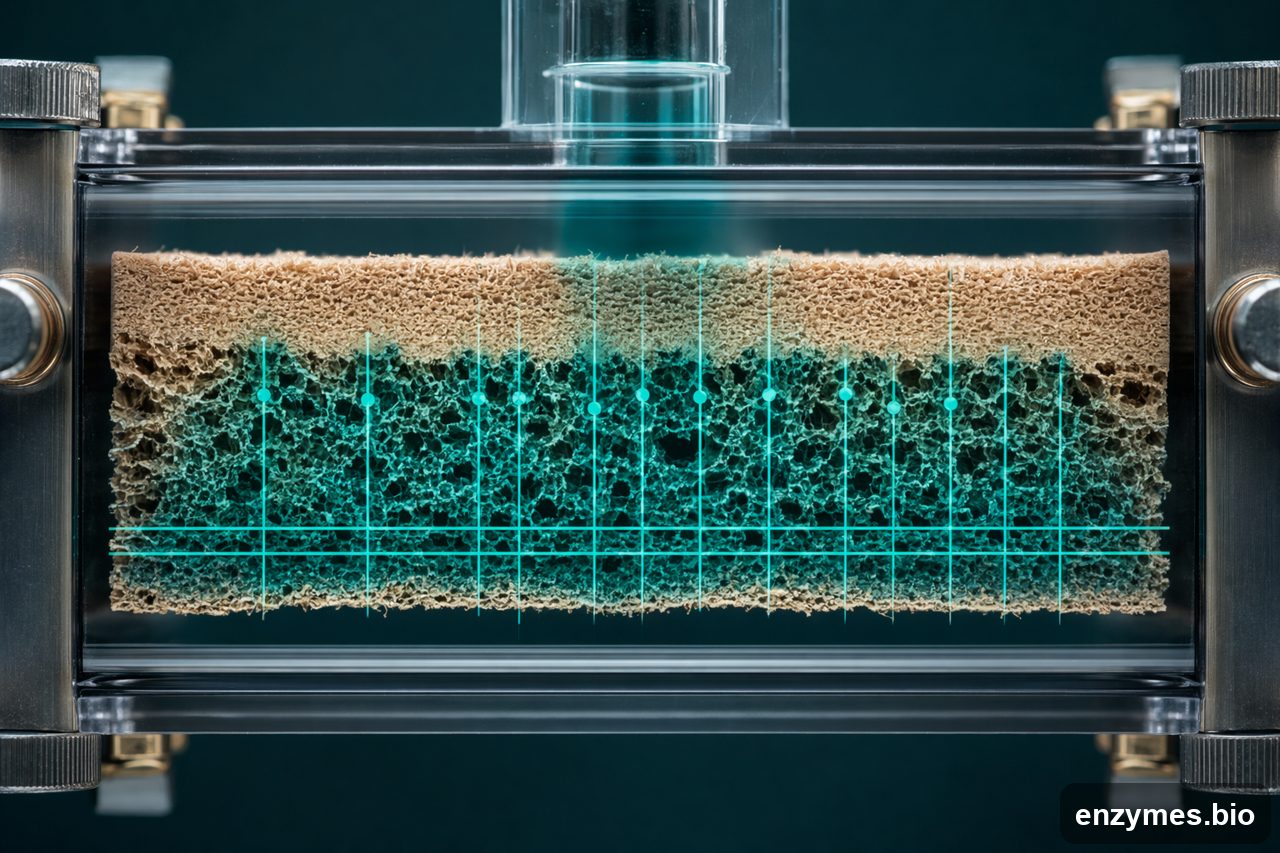
- garment leather requiring soft handle and drape
- upholstery leather needing balanced softness and fullness
- shoe upper articles where grain cleanliness and consistency are important
- gloving and small-skin applications requiring controlled opening
- wet-blue or wet-white preparation processes where reproducibility is critical
The enzyme selection and process intensity should match the article. A soft garment article and a structured upper article should not use the same bating target.
Ordering for production
We supply neutral protease in bulk to tanneries, leather-chemical formulators and distributors. Tell us the end use and the destination market, and we tell you which documents are available for that grade. Pack sizes, prices and lead times are quoted per order.
Storage and handling
Store sealed in a cool, dry area away from direct sunlight, heat, and moisture. Reseal opened packaging promptly. Avoid generating dust or aerosols during handling, and use appropriate plant hygiene and personal protective equipment according to the safety data sheet.
Enzymes are process aids with biological activity. Good housekeeping, controlled dosing, and trained operators are essential for safe and consistent use.
Trial design for tannery evaluation
For a meaningful bating trial, compare the enzyme against the current standard process using the same raw material selection and drum conditions.
Recommended evaluation points:
- Confirm deliming endpoint before enzyme addition.
- Run a control drum and one or more enzyme dosage levels.
- Keep pH, temperature, float, and time consistent across trials.
- Assess grain cleanliness, scud removal, handle, stretch, fullness, and cross-section opening.
- Continue through tanning and finishing before making final article decisions.
- Record any changes in dye uptake, shade levelness, softness, and physical strength.
The most reliable decision comes from evaluating the finished leather, not the bated pelt alone.
Request pricing or technical support
We reply with a starting grade, a trial approach and a price for your quantity.
Send us:
- the article type and raw material
- your current bating process and target handle
- the quantity per order or per month
- the delivery country
Prices, pack sizes and lead times are quoted per order.
Distributors and resellers: use the same form. Tell us your market, the pack size your customers buy and your expected volume per month.